
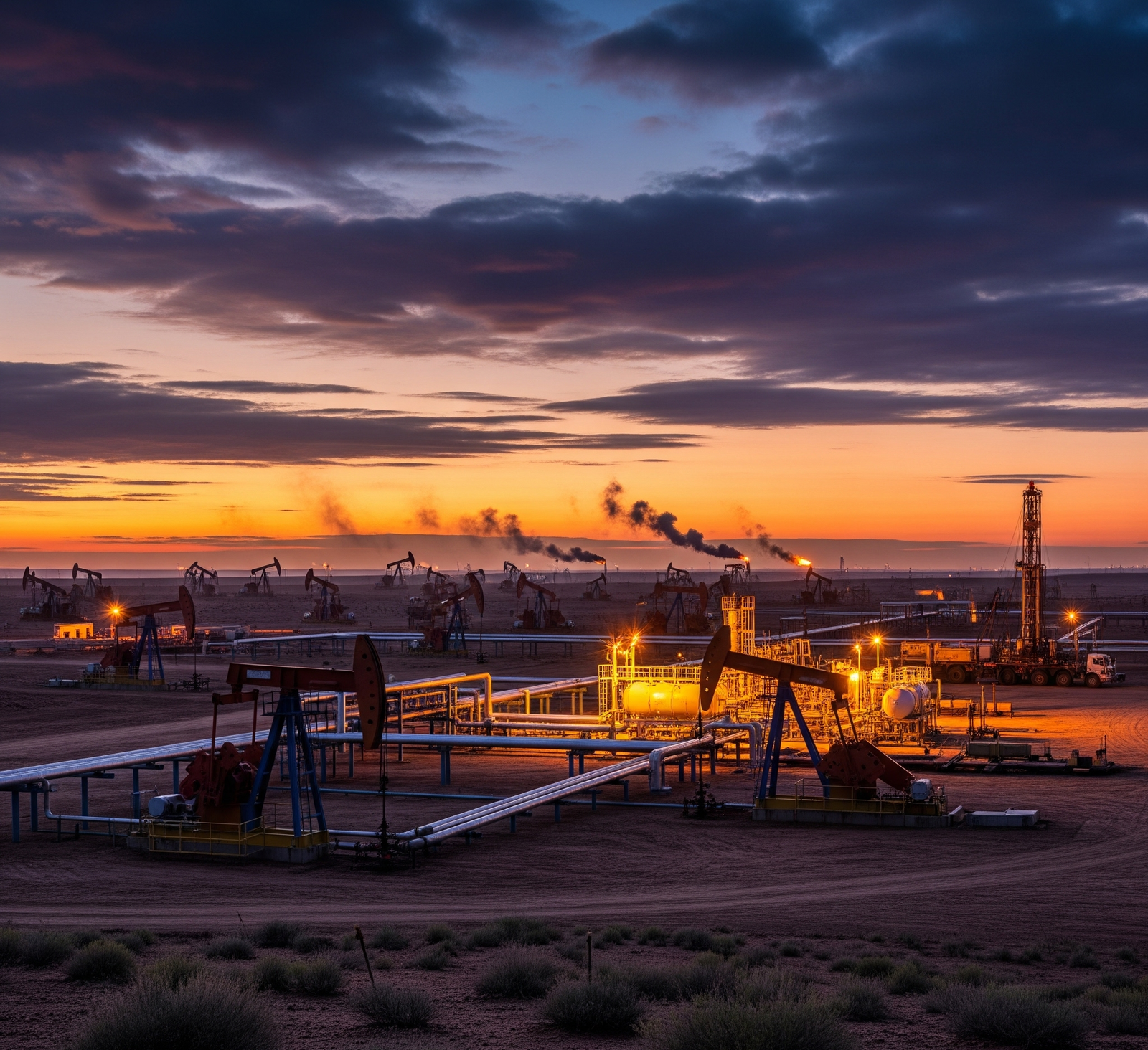
India is trying to reduce its dependence on crude oil by devising a multi-pronged strategy that aims to both reduce demand and increase supply. The country is heavily dependent on crude oil imports, which makes it vulnerable to global price volatility and geopolitical risks.
Here are the key strategies:
1. Substituting Demand with Biofuels 
This is one of India’s most successful and direct methods. The country is aggressively pushing for higher blending of biofuels in petrol and diesel.
-
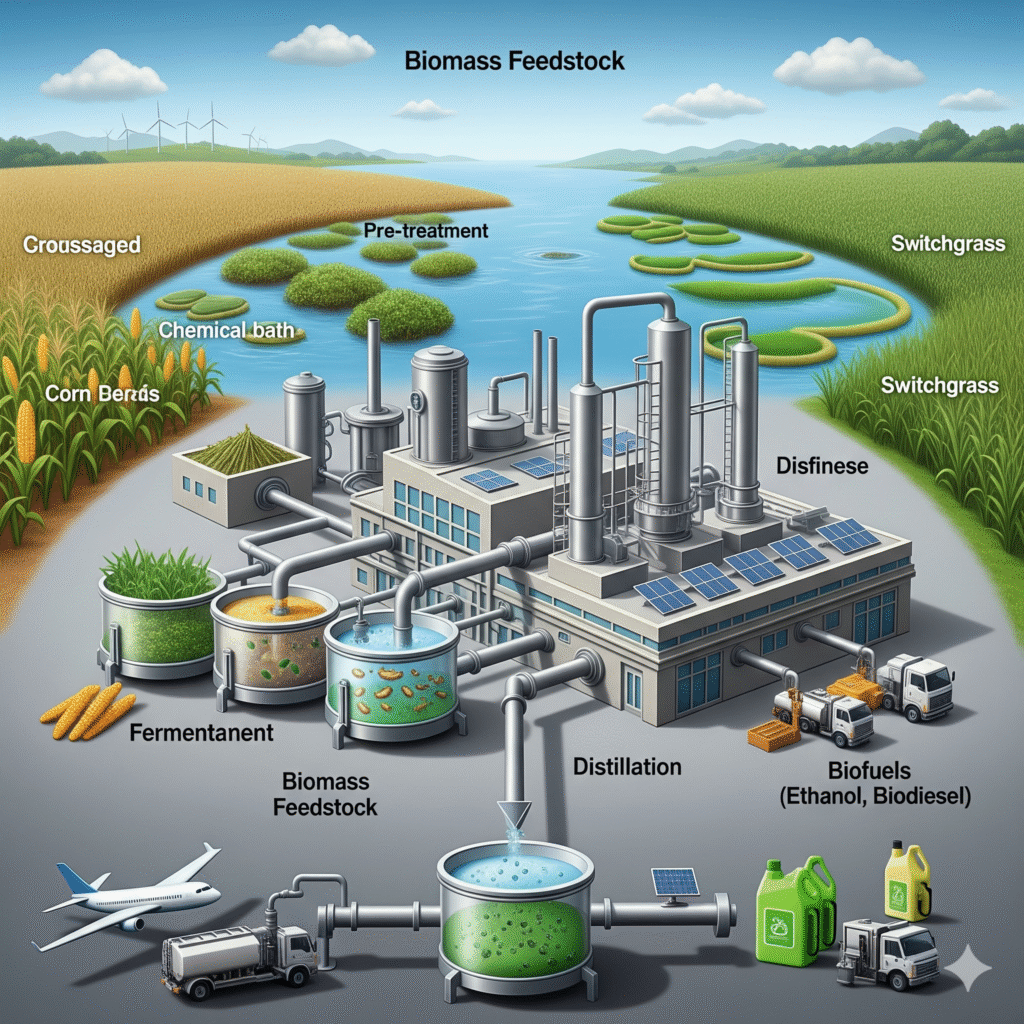
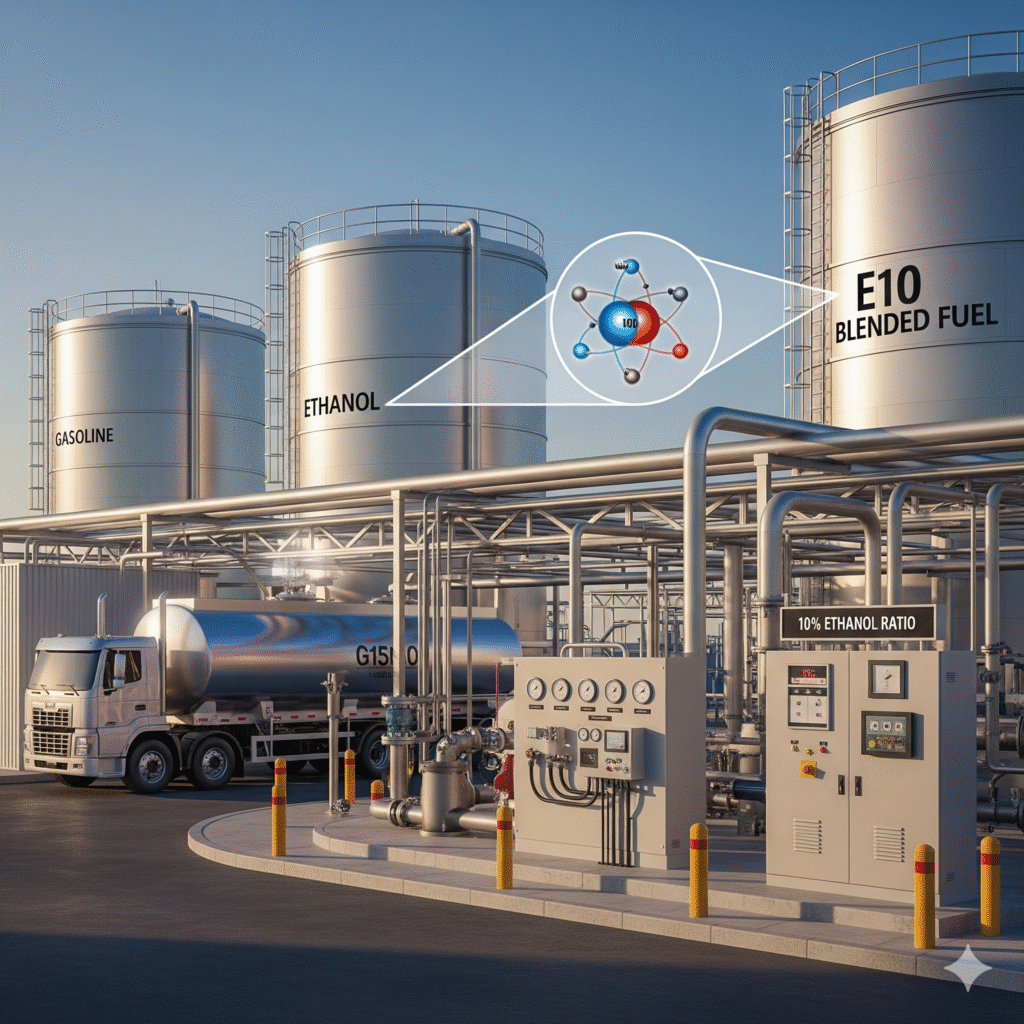
- Ethanol Blending: India has a target of 20% ethanol blending in petrol (E20) by 2025-26. This was an accelerated goal, as the initial target was 2030. The program has been a success, with blending rates currently at about 18%. This not only reduces the need for crude oil but also supports the agricultural sector by creating demand for crops like sugarcane and maize.
-
- Biodiesel: There is also a target for 5% biodiesel blending in diesel by 2030, which focuses on utilizing non-edible oils and used cooking oil.
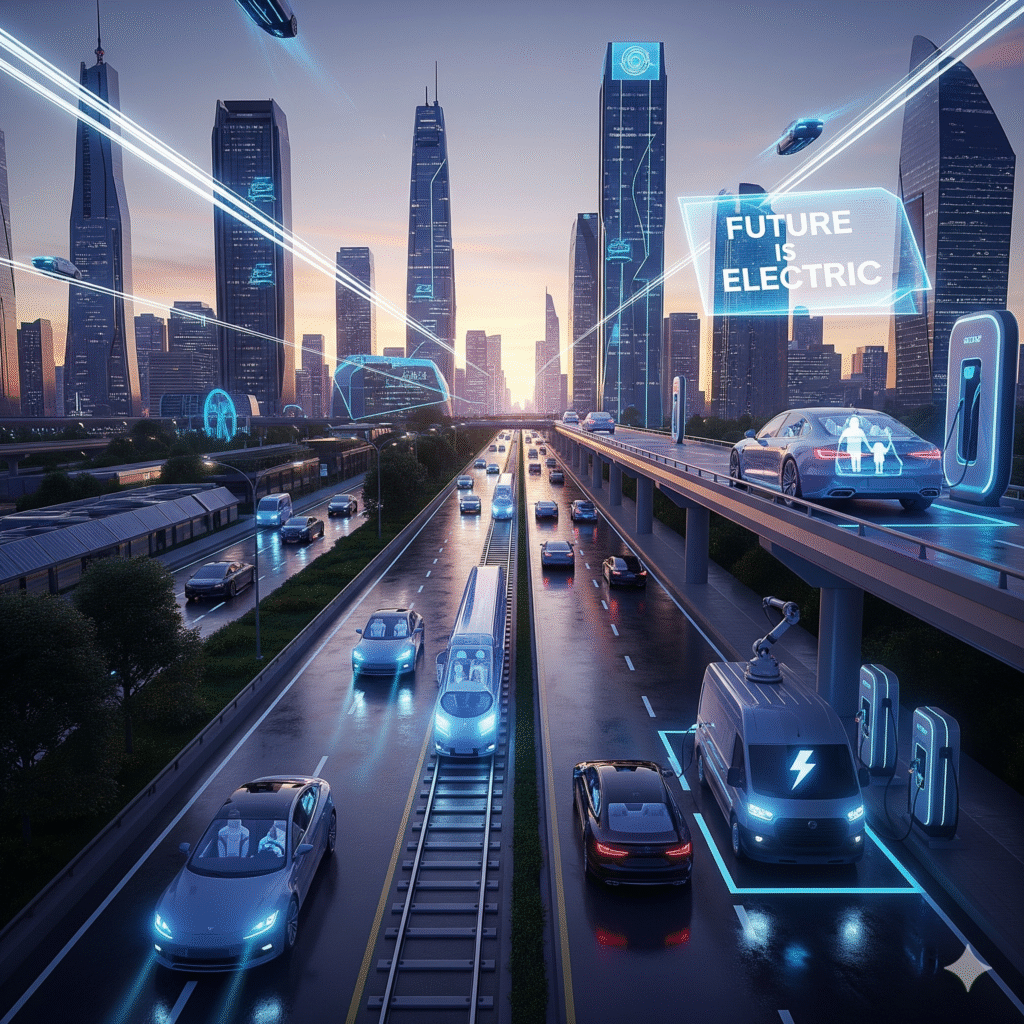
2. Transitioning to Electric Vehicles (EVs) 
Shifting the transportation sector to EVs is a long-term strategy to significantly cut down on oil consumption.
-
- Policy Support: The government’s FAME (Faster Adoption and Manufacturing of Hybrid and Electric Vehicles) Scheme provides subsidies and incentives for EV adoption and domestic manufacturing.
-
- Manufacturing Ecosystem: India is promoting domestic production of EV components, especially batteries, through Production-Linked Incentive (PLI) schemes. This is crucial to avoid replacing oil import dependency with a new dependency on battery imports.
-
- Infrastructure: State-run oil marketing companies are actively setting up EV charging stations at their fuel outlets, building a nationwide charging network.
3. Expanding Renewable Energy Sources 
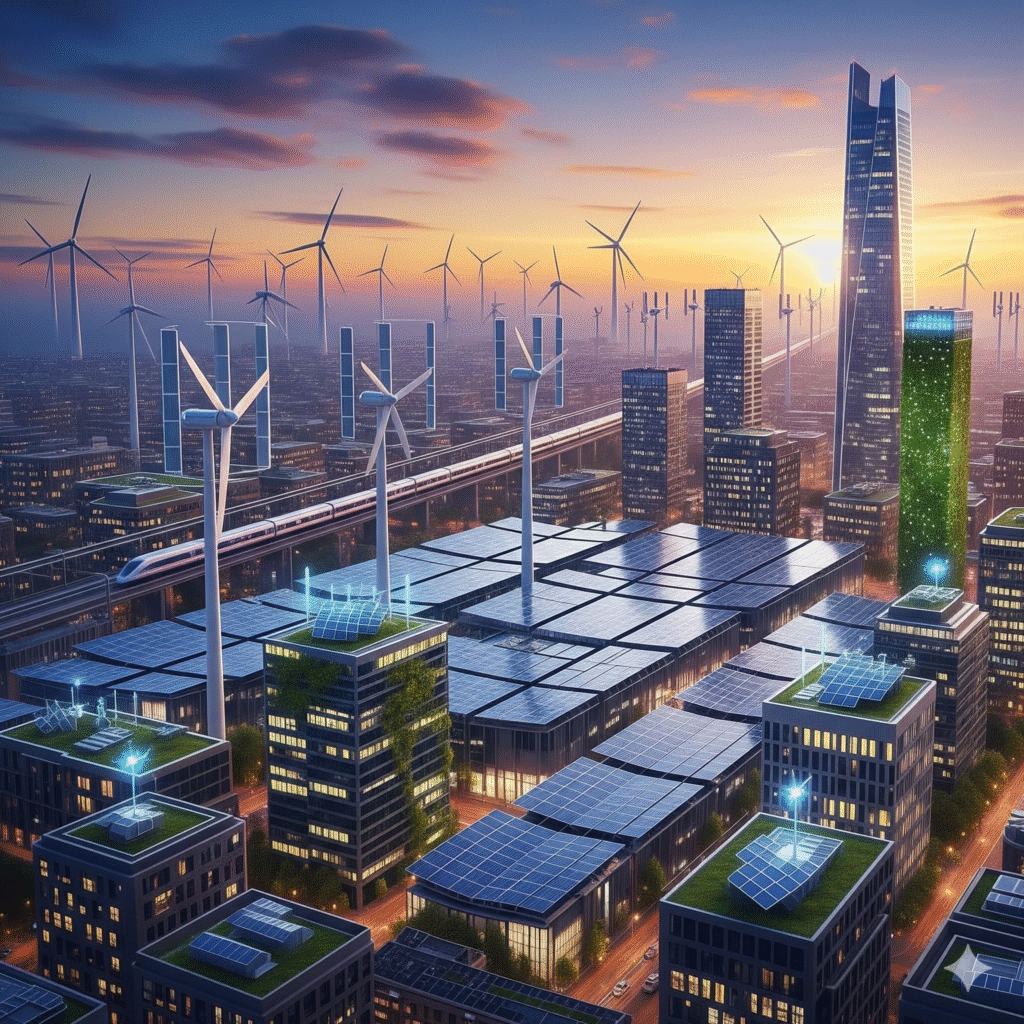
A broader shift in the energy mix away from fossil fuels is central to India’s strategy.
-
- Ambitious Targets: India has pledged to achieve 500 GW of installed electricity capacity from non-fossil fuel sources by 2030. The country has already surpassed the 50% mark for its total power capacity coming from non-fossil sources.
-
- Solar Power: Programs like the PM Surya Ghar Muft Bijli Yojana promote rooftop solar installations in homes, reducing demand for grid power and, indirectly, for fossil fuels.
-
- Green Hydrogen: India’s National Green Hydrogen Mission aims to make the country a global hub for green hydrogen production. This new energy source can be used in hard-to-abate sectors like steel and transportation, further reducing reliance on fossil fuels.
4. Increasing Domestic Oil Production 
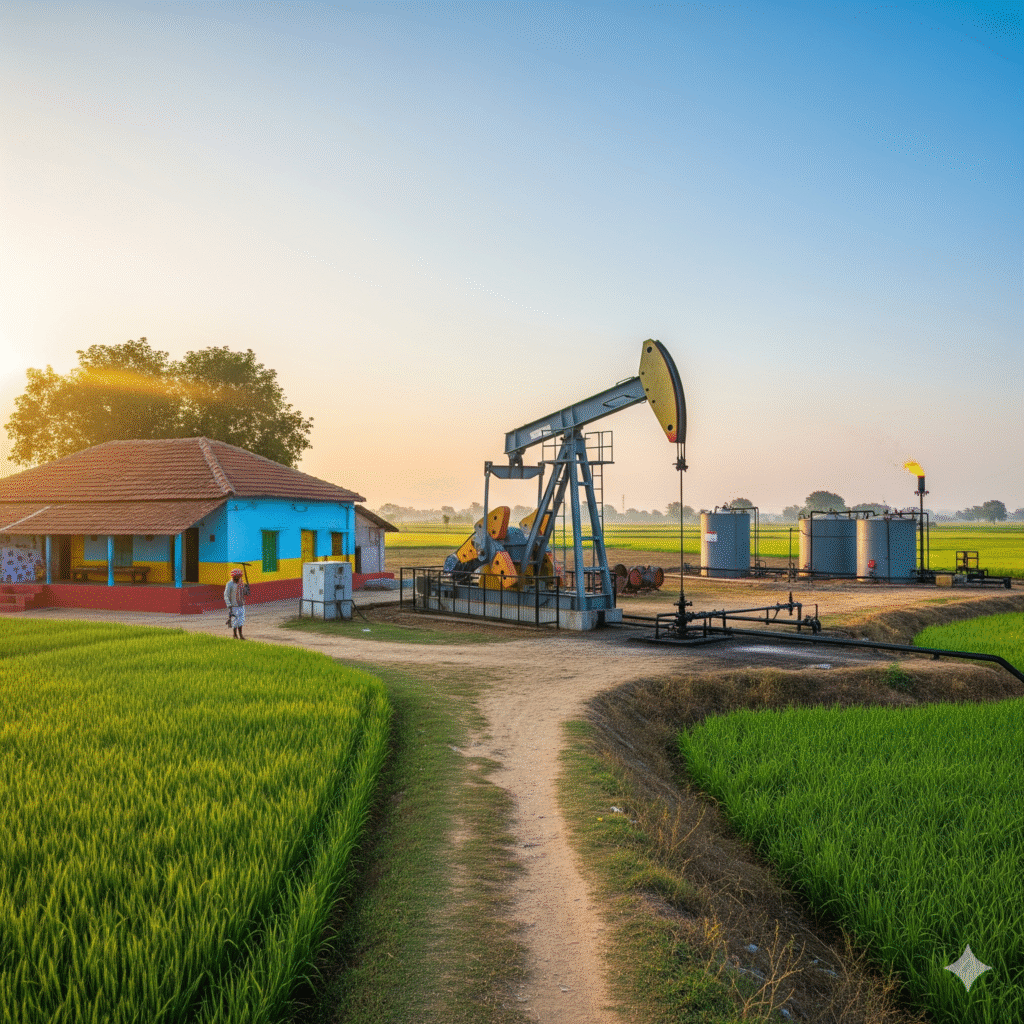
While the long-term goal is to reduce overall oil dependency, increasing domestic production is a key part of the immediate strategy.
-
- Policy Reforms: The government is incentivizing oil and gas exploration and production through policy changes like the Hydrocarbon Exploration and Licensing Policy (HELP).
-
- Technological Advancement: The focus is on attracting foreign investment and using advanced technologies to boost output from both new and existing fields. These efforts have led to a reversal in the long-term decline of domestic crude oil production.
5. Smart Procurement and Reserves 
India is also taking a proactive approach to managing its existing import needs.
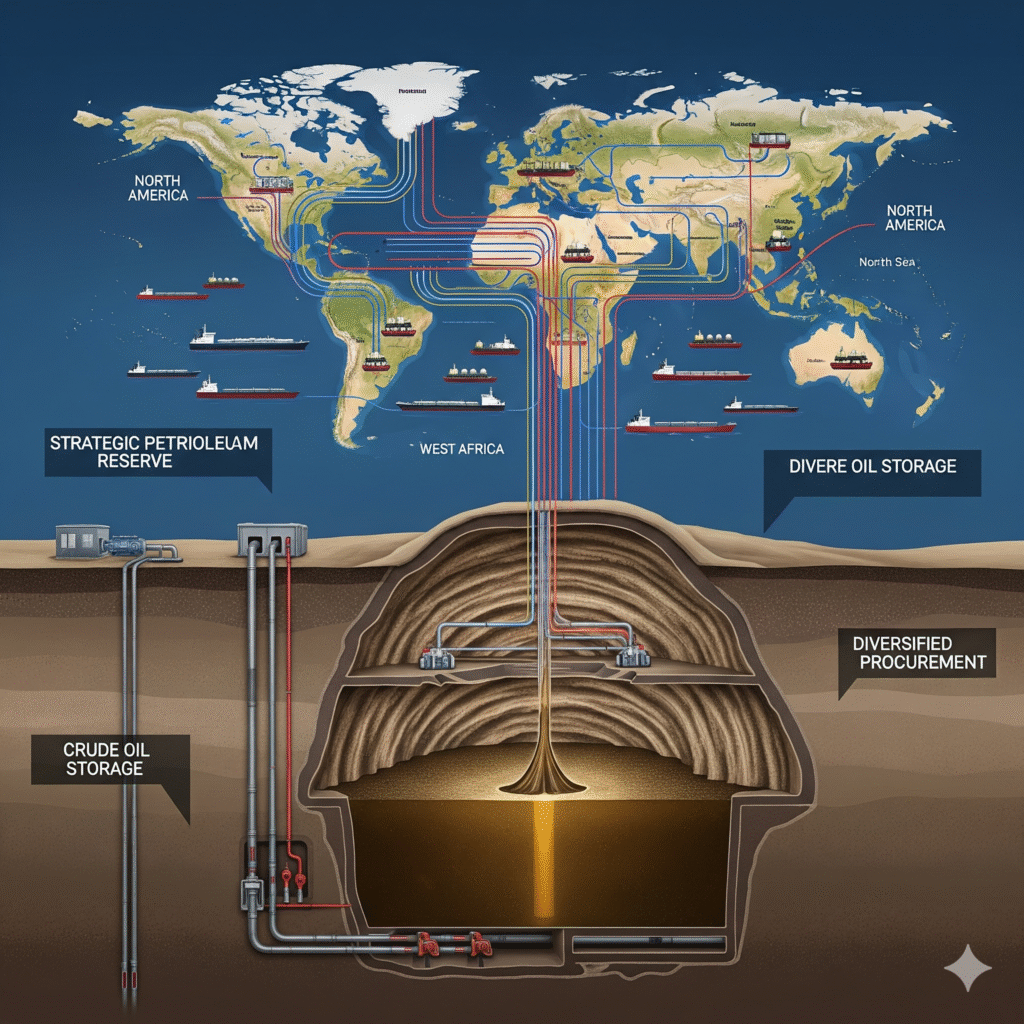
Strategic Reserves: The government is expanding its Strategic Petroleum Reserves (SPR) to create a buffer against global supply disruptions and price shocks. The current SPR capacity is 5.33 million metric tonnes (MMT), and there are plans to add an additional 6.5 MMT in the second phase.
Diversification: India is diversifying its crude oil import sources to reduce dependency on any single region, as seen by its strategic increase in purchases from Russia at discounted prices.
