
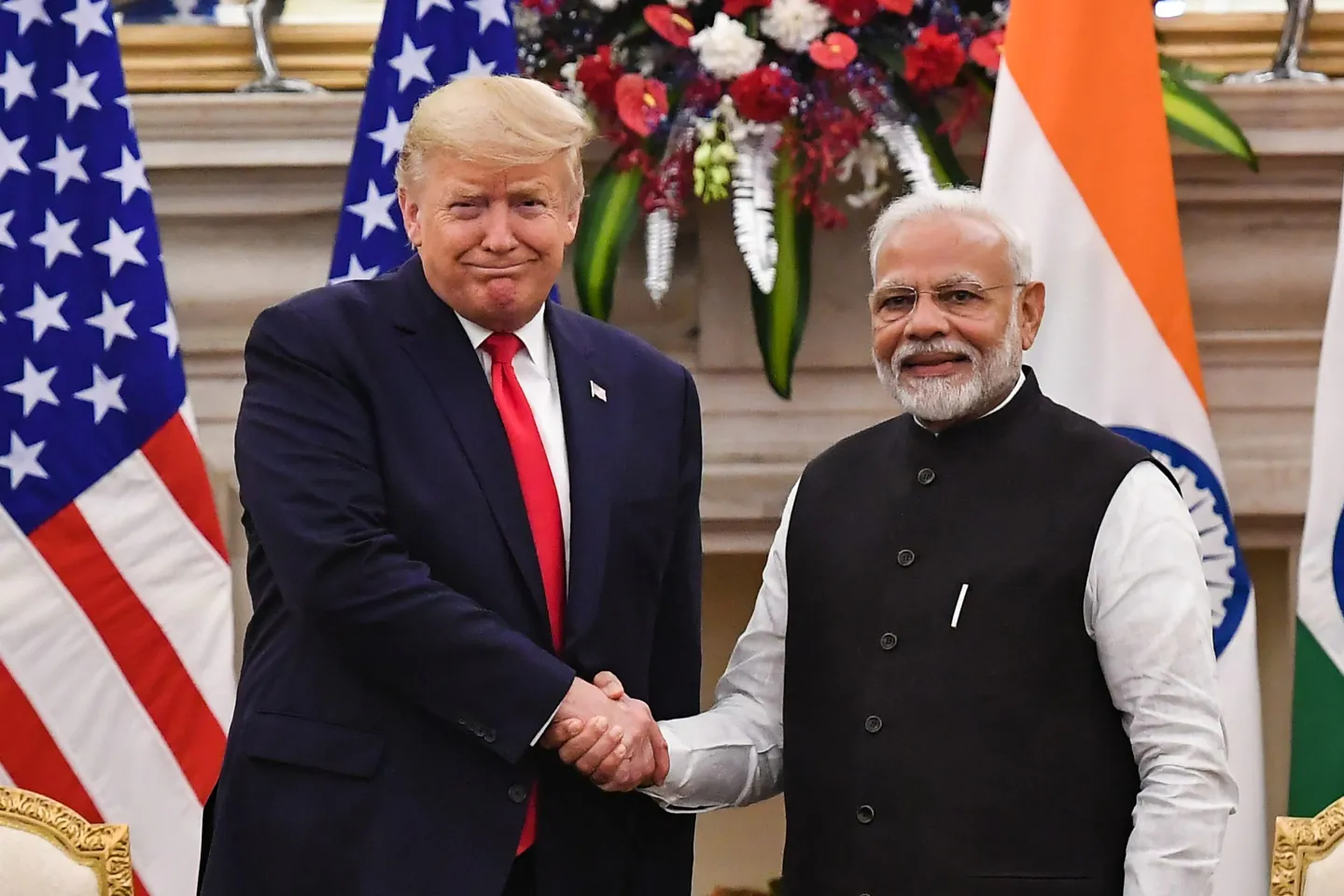
On August 27, 2025, the United States officially imposed an additional 25% tariff on a wide range of goods from India, bringing the total US levy to 50% for many products. This action is linked to India’s continued purchases of Russian oil and defense equipment, which the U.S. has accused India of using to indirectly fund the war in Ukraine. The tariffs are a significant escalation in trade tensions between the two countries.
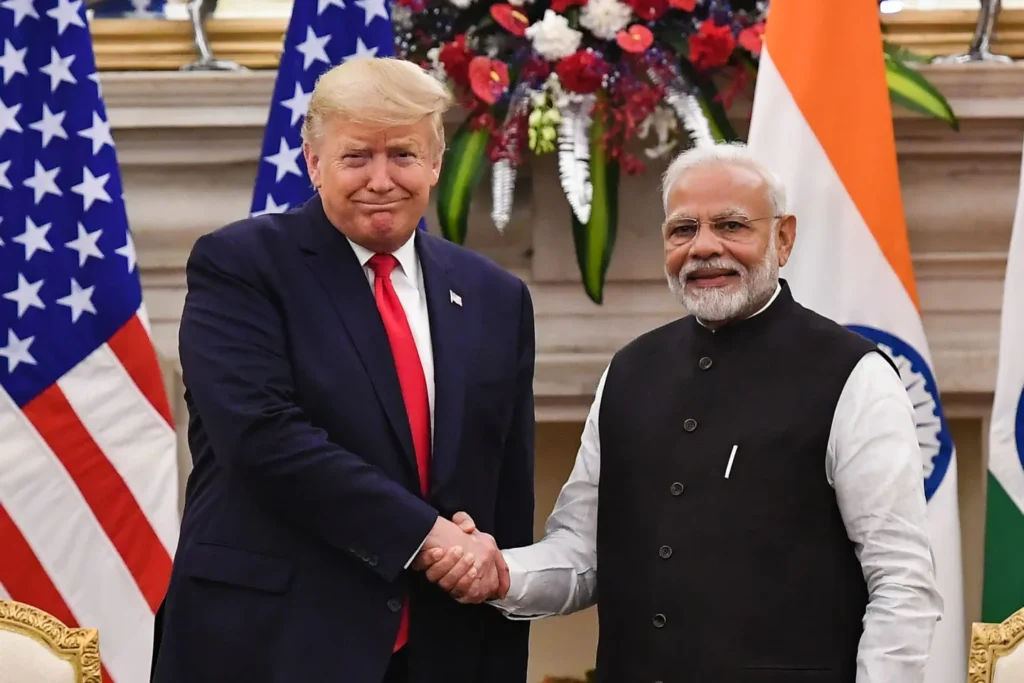
Here is a summary of the situation:
The Tariffs:
The new 25% tariff is in addition to an existing 25% duty, resulting in a total 50% tariff on a large portion of Indian exports to the U.S.
This affects approximately two-thirds of India’s goods exports to the U.S., including labor-intensive sectors like textiles, gems and jewelry, seafood, and leather goods.
Exports of pharmaceuticals, electronics, and petroleum products are currently exempt from the increased tariffs.
U.S. Rationale:
The White House has argued that India’s substantial increase in Russian oil imports since the start of the conflict in Ukraine is helping to finance Russia’s war effort
U.S. officials have pointed out that India’s oil imports from Russia have surged from less than 1% before the conflict to around 42% currently.
India’s Response:
Indian officials have condemned the tariffs as “unjustified and unreasonable,” asserting that India’s energy choices are guided by national interest and a need to ensure affordable energy for its population.
India’s Foreign Minister, S. Jaishankar, has publicly defended the country’s position, highlighting that other nations, including those in Europe, continue to trade with Russia without facing similar punitive measures.
While ruling out retaliation, the Indian government is implementing a multi-pronged strategy to counter the impact of the tariffs. This includes:
Considering financial assistance and support for affected exporters.
Working to diversify its trade partnerships with other countries, such as China, the European Union, and in Latin America and the Middle East.
Exploring internal economic reforms, such as a revamp of the Goods and Services Tax (GST) structure, to boost domestic consumption and reduce reliance on exports.
The new tariffs are expected to have a significant impact on India’s economy, potentially leading to job losses and a decline in GDP growth. However, India remains firm in its stance and is focusing on building a more resilient, self-reliant economy.
