
The Tata Group is a major player in the car sector, while Tata Motors Limited is a major force in the global automotive sector.
From its origins as a locomotive manufacturer to a leading role in electric mobility, the evolution of Tata Motors is a compelling story of ambition, resilience, indigenous innovation and strategic international growth.
The story is deeply intertwined with India’s industrial and economic development, reflecting the country’s transformation from a developing economy to a global powerhouse.
With a diverse and complete portfolio of commercial trucks, buses and passenger vehicles, including iconic brands like Jaguar and Land Rover, Tata Motors has established its legacy as a company that not only moves people but also drives progress.
Tata Motors Foundation: From Locomotives to Commercial Vehicles
Tata Motors originated in 1945 when it was established as Tata Engineering and Locomotive Company (TELCO).
Its main focus was on manufacturing locomotives and various engineering products that played a key role in the development of India’s industrial infrastructure in the post-independence era.
In 1954, it achieved a significant milestone in its early development with its historic partnership with German automotive leader Daimler-Benz AG. This 15-year technical collaboration enabled TELCO to manufacture medium commercial vehicles in India.
The venture was a huge success, enabling Tata to integrate world-class engineering practices, quality assurance and manufacturing standards.
By the end of the partnership in 1969, Tata had not only established a strong position in the Indian commercial vehicle (CV) sector but also developed the domestic expertise to design and manufacture its own vehicles.
Over the years, Tata’s robust and reliable trucks emerged as the undisputed workhorses of the Indian economy, serving as the foundation for logistics, construction and transportation.
Tata Motors jumps into passenger vehicles
In the late 1980s, after establishing its leadership in the commercial vehicle (CV) segment, Tata Motors shifted its focus to a new and more challenging segment. Passenger vehicles were a bold venture, entering a sector largely dominated by established international competitors and state-owned Maruti Udyog (in partnership with Suzuki).
The company’s approach was systematic and strategic, starting with utility vehicles that leveraged its strengths in robust and durable engineering.
Tata Sierra (1991): A ground breaking product, the Sierra was India’s first sports utility vehicle (SUV). Although it was not a commercial success, its three-door configuration and contemporary features were ahead of its time, reflecting Tata’s design aspirations.
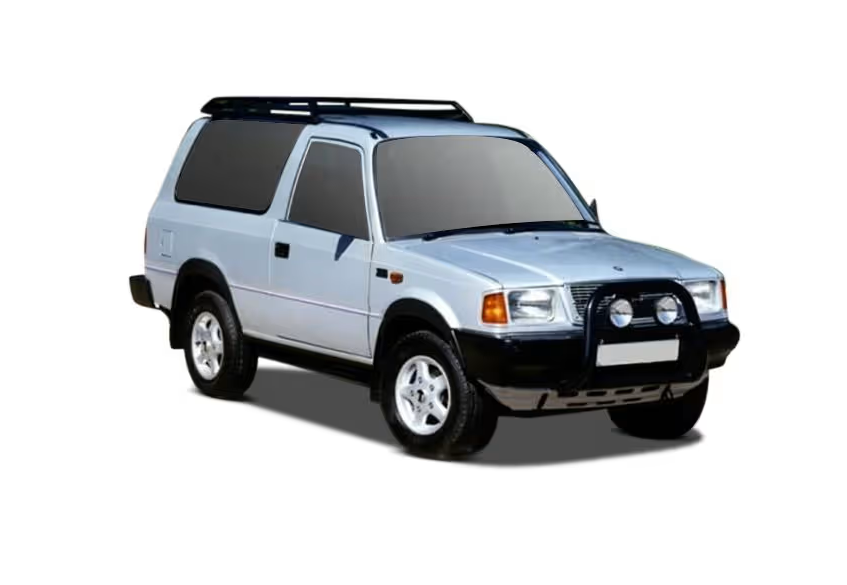
Tata Sumo (1994): Named in honour of Telco visionary Sumant Mulgaonkar, the Sumo was an extraordinary success. This robust and spacious Multi-Utility Vehicle (MUV) transformed rural and semi-urban transport and became a common sight across the country.

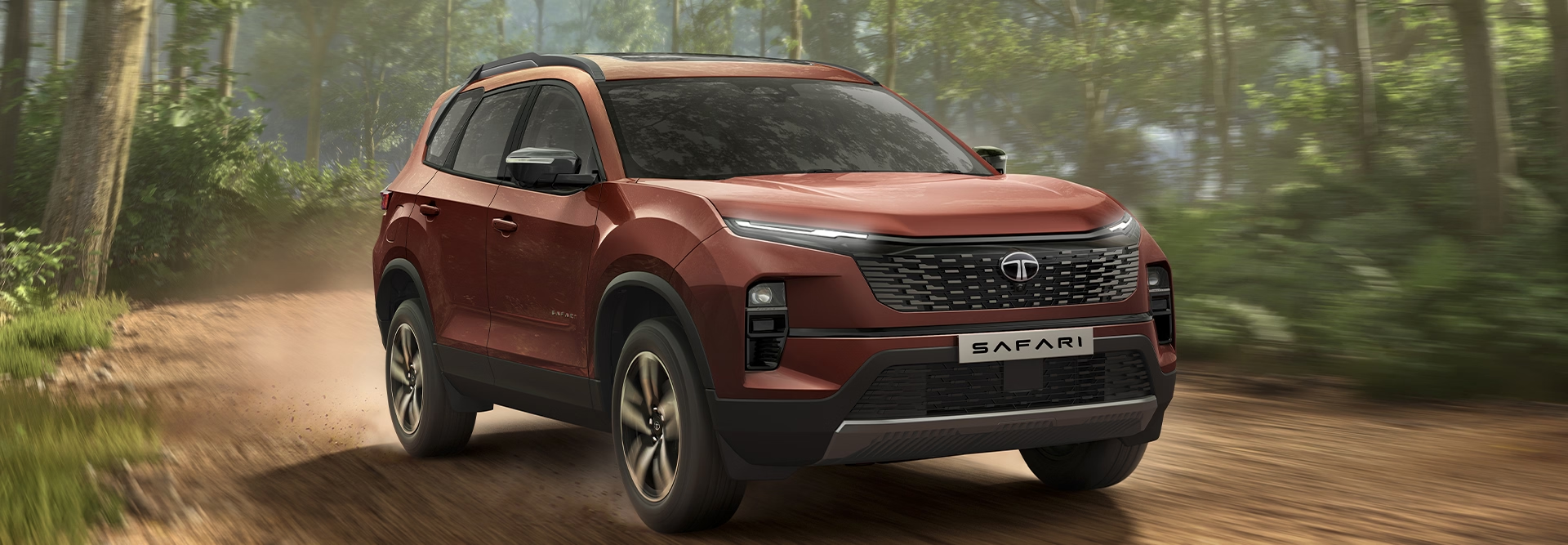
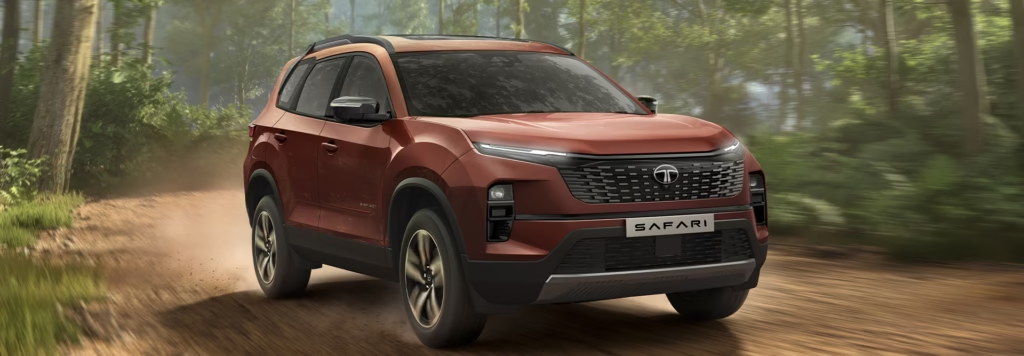
Tata Safari (1998): With the introduction of the Safari, Tata Motors set another milestone. It was India’s first true lifestyle SUV, which, with its imposing presence and off-road capabilities, catered to the aspirations of a new generation of Indian consumers.
However, the pinnacle of this era was the Tata Indica (1998). More than just a vehicle, the Indica was a source of national pride – India’s first fully indigenously designed and manufactured passenger car. Launched with an attractive value proposition of “the size of a Contessa and the price of a Maruti 800”, it received an enthusiastic response. Despite initial quality challenges, Tata’s dedication and commitment to growth ultimately led to the success of the Indica, demonstrating that an Indian firm could compete head-on with global automotive leaders.
Tata Motors Global Ambitions and the JLR Masterstroke
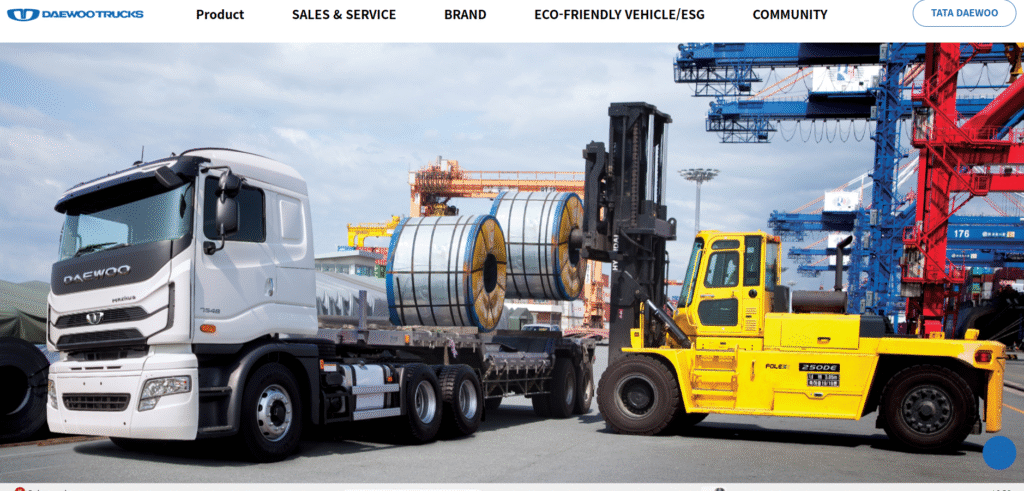
Tata Motors transformed itself from a national champion into a global competitor in the early 21st century. A series of strategic international acquisitions expanded its technological base and market reach. In 2004, it acquired South Korea’s Daewoo Commercial Vehicle Company, renaming it Tata Daewoo, and laid a significant foundation for itself in the global CV market.
The boldest and most transformative move came in 2008. During the global financial crisis, Tata Motors acquired the renowned British luxury automotive brand, Jaguar and Land Rover (JLR), from Ford Motor Company for $2.3 billion. The acquisition was met with skepticism around the world. Many analysts questioned how an Indian company known for its frugal engineering could successfully manage two of the world’s most prestigious luxury brands.
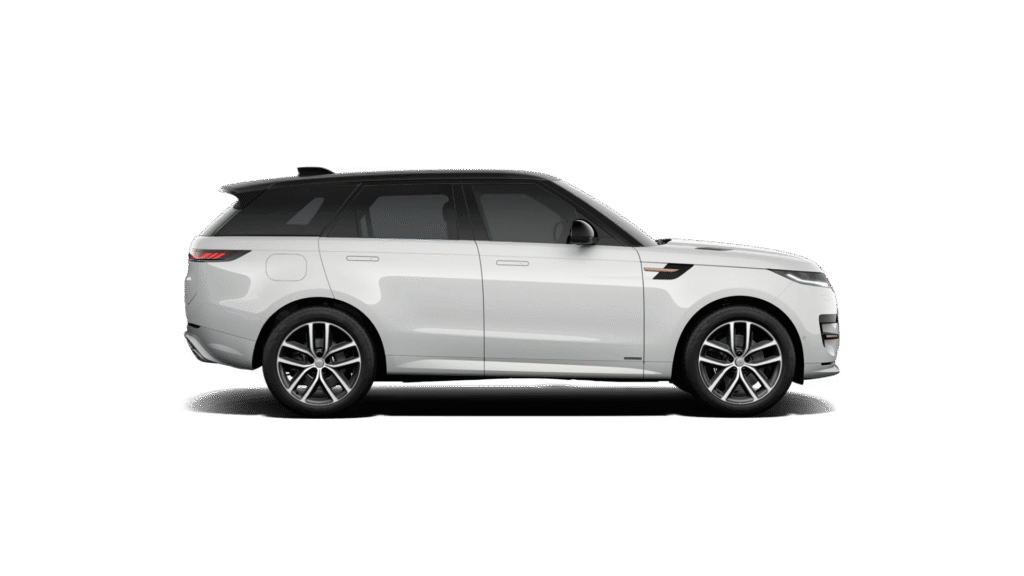
However, under the leadership of the Tata Group, JLR has made a remarkable renaissance. Tata Motors empowered JLR management, invested heavily in research and development, and supported the launch of a new generation of critical and commercially successful products such as the Range Rover Evoque, Jaguar F-Type, and Land Rover Discovery Sport. The acquisition was a strategic masterstroke, providing Tata Motors with cutting-edge automotive technology, a global distribution network, and a highly profitable revenue stream that will be crucial in the years to come.
Tata Motors: A Period of Reinvention From Nano’s Lesson to IMPACT’s Success
The JLR acquisition was a success, but the domestic PV business faced major setbacks in the years that followed. The Tata Nano, launched in 2008, was a project of immense ambition. Envisioned by Ratan Tata, it was an engineering marvel designed to be the world’s most affordable car, aimed at providing a safe alternative to families commuting on two wheels. Although renowned worldwide for its innovation, the Nano struggled commercially. A difficult plant relocation from Singur to Sanand was delayed, and its marketing as a “cheap car” inadvertently deprived it of the aspirational value proposition that was a key component in the Indian market.
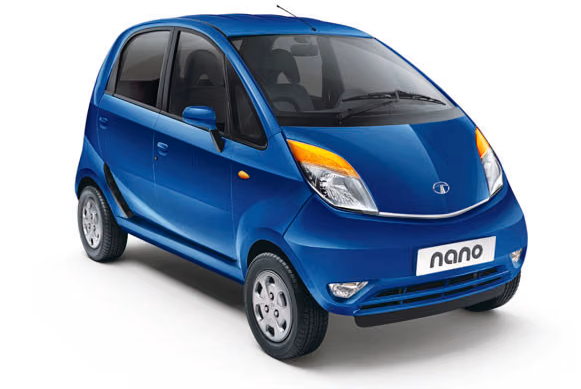
Following the Nano’s challenges and with an aging product portfolio, Tata’s market share in the passenger vehicle segment declined. This began a period of deep introspection and radical overhaul. The company launched its IMPACT design philosophy, a comprehensive strategy focused on futuristic design, advanced features and, most importantly, safety.
This new approach led to a completely new generation of vehicles:
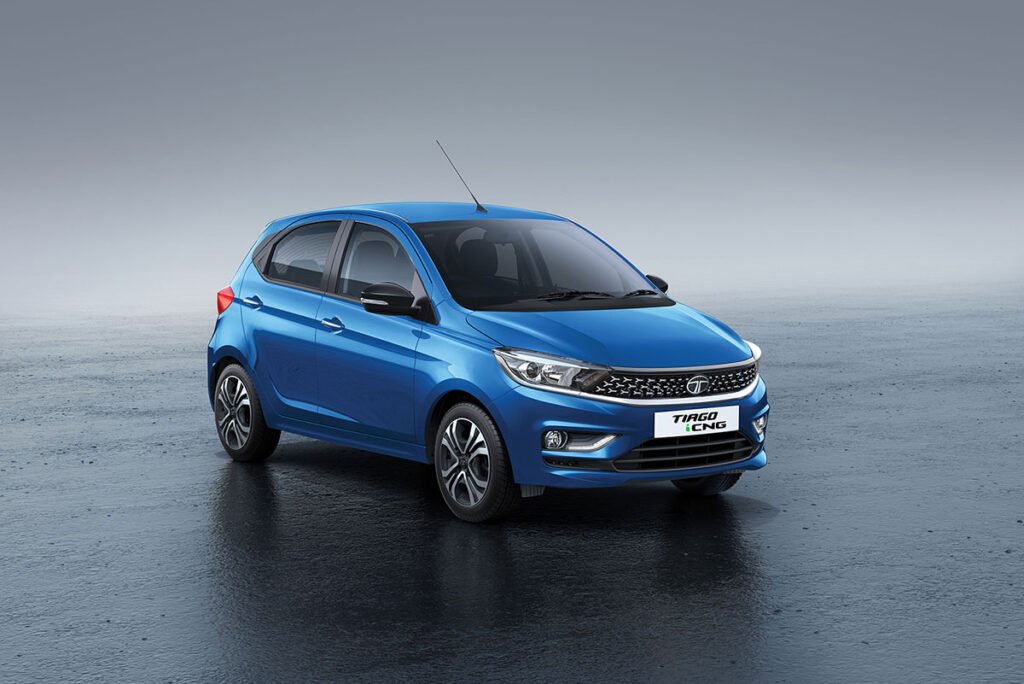
Tata Tiago (2016): A stylish and feature-packed hatchback that immediately caught the eye of buyers.
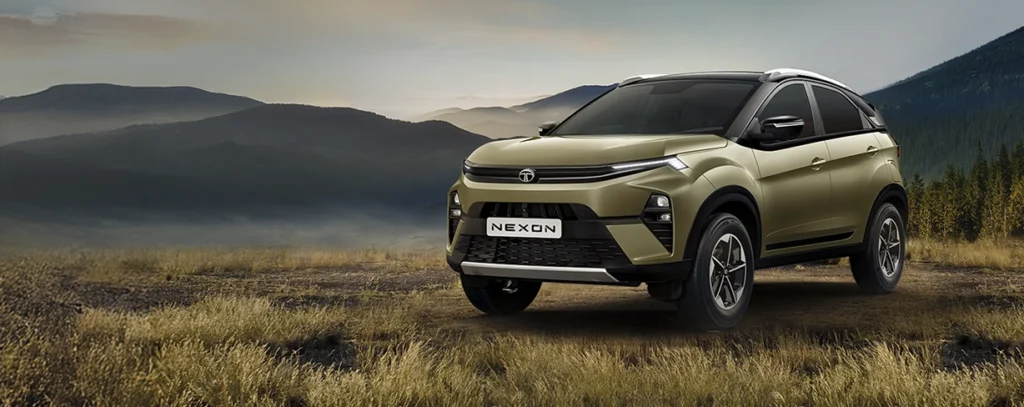
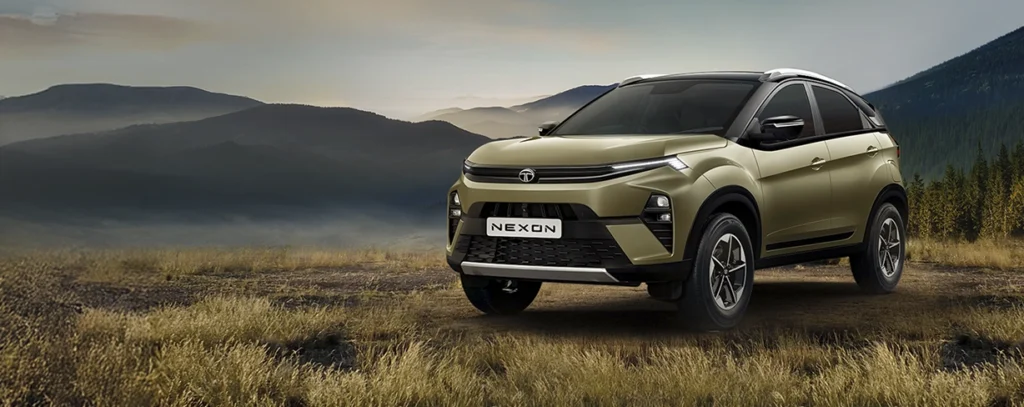
Tata Nexon (2017): A sub-compact SUV that became a game-changer. It was the first Indian car to receive a 5-star safety rating from Global NCAP, fundamentally changing consumer perception of the brand and prioritizing vehicle safety in the national consciousness.
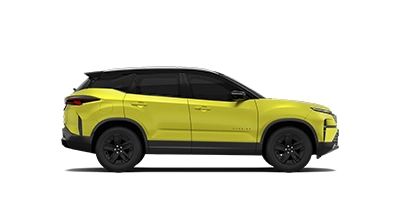
Tata Harrier (2019) and Safari (2021): Premium SUVs built on Land Rover-derived platforms, praised for their stunning design and robust build quality.
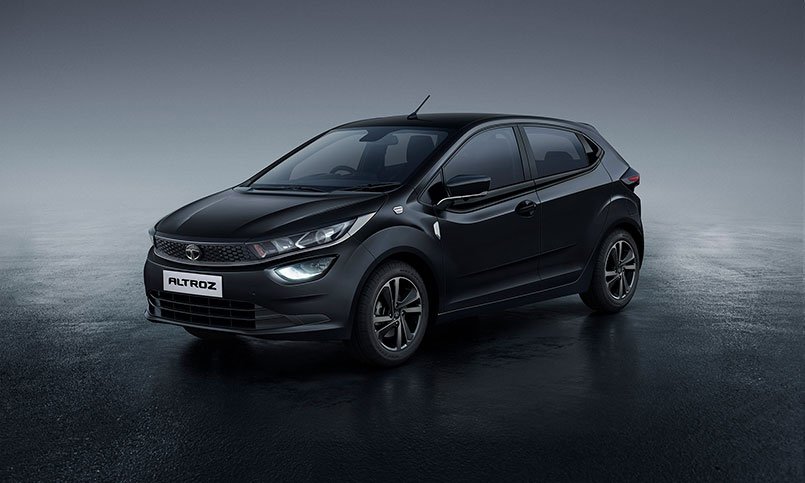
Tata Altroz (2020): A premium hatchback that also received a 5-star safety rating, reinforcing the company’s commitment to safety.
Characterized by their bold design, robust build quality and high safety standards, this range of “New Forever” vehicles successfully revived the fortunes of Tata Motors, making it one of the top three passenger vehicle manufacturers in India.
Tata Motors is leading the electric vehicle revolution in India
Perhaps Tata Motors’ most significant contemporary achievement is its undisputed leadership in India’s nascent electric vehicle (EV) market. Recognizing the coming shift in mobility, the company took a calculated risk and invested early and aggressively in EV technology. Rather than waiting for a ground-up EV platform, it wisely leveraged its existing successful models, which gave impetus to its go-to-market strategy.
The Nexon EV, launched in 2020, was the catalyst. It offered practical range, strong performance and an accessible price point, effectively democratizing EV ownership in India. Following its success, the company expanded its portfolio with the Tigor EV, Tiago EV and Punch EV, catering to different price segments.
Tata’s strategy extends beyond just manufacturing vehicles. It has developed a holistic ecosystem called “Tata UniEVerse”, which includes:
Tata Power: Building a vast network of public charging stations.
Tata Chemicals: Research and development of battery chemistries and cell manufacturing.
Tata Autocomp: Manufacturing of EV components such as motors and battery packs.
Tata Motors Finance: Offering customized financing solutions for EV buyers.
is integrated approach has given Tata a dominant market share of over 70% in the Indian passenger EV sector, positioning it as a primary driver of India’s transition to sustainable mobility.
