
Background of the Indus Waters Treaty
The Indus Waters Treaty (IWT), signed in 1960, was a significant agreement between India and Pakistan. It allocated the rights to the waters of the Indus River system between the two nations, providing a framework for cooperation on water sharing. However, recent escalations in tensions have put this treaty under strain, leading to shocking threats from Pakistan’s leadership.
Shehbaz Sharif’s Threats
In light of the recent suspension of the IWT by India, Pakistani Prime Minister Shehbaz Sharif has not held back in expressing his frustrations. During a ceremonial address, he asserted that Pakistan will not allow India to “snatch even one drop” of its water. He framed any attempt by India to interfere with the water supply as a declaration of war, emphasizing that Pakistan will respond forcefully to any such provocations.
Statements from Military Leadership
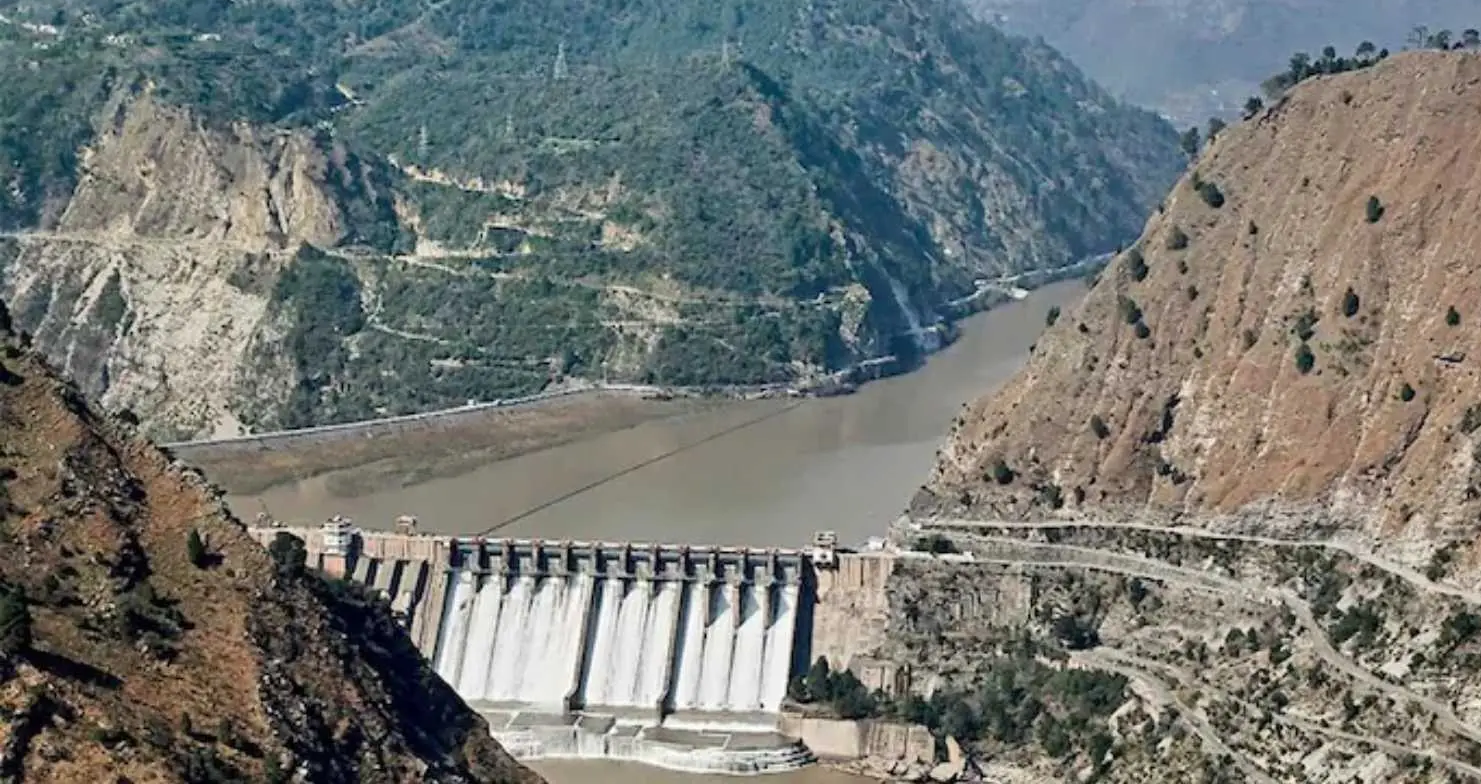
The narrative is further amplified by statements from top military officials, including Army Chief Asim Munir. Munir has declared that if India constructs dams that threaten water flow to Pakistan, those structures would be targeted. This aligns with the aggressive stance taken by Pakistan’s former foreign minister, Bilawal Bhutto-Zardari, who firmly stated that actions against their water rights will be met with robust defense. The collective rhetoric indicates a troubling rise in tensions between the two countries.
The current dynamics suggest that the situation is precarious, as both nations navigate the negotiations around the Indus Waters Treaty amid threats and military posturing. The implications of this conflict could have far-reaching consequences for regional stability.
